

Relocating across state lines is one of life’s most significant transitions–and one of the most logistically complex. Between coordinating personal belongings, managing address changes, and settling into an entirely new community, your vehicle can easily become an afterthought.
Knowing what to do with your car when moving out of state deserves careful, early consideration. The wrong decision can cost you time, money, and unnecessary stress during an already demanding process.
At Bekins Van Lines, we’ve helped families and individuals navigate long distance moves for generations. Here’s what you need to know about moving a car out of state and why professional auto transport may be the smartest choice you make.
Comparing Your Options for Moving a Car Out of State
When it comes to moving your car out of state, there’s no single right answer; only the right answer for your situation. Here’s an honest look at the three routes most people consider, along with the pros, cons, and hidden costs of each.
For shorter interstate moves, like Southern California to Phoenix, for example, driving your own vehicle is often the first instinct. Sometimes it makes perfect sense. You maintain complete control over your car’s whereabouts, you can load it with smaller items that won’t fit in the moving truck, and there’s no shipping timeline to coordinate.
That said, driving long distances comes with real costs and considerations. Fuel, hotel stays, meals, and wear-and-tear on your vehicle add up quickly, so driving isn’t necessarily the cheapest option.
A cross country drive of 2,000+ miles is expensive and exhausting, particularly when you’re already managing the emotional and physical demands of a major move. If you have multiple vehicles, driving two cars becomes even more complicated. And if you’re moving cross country with children, pets, or on a tight timeline, a multi-day drive may simply not be practical.
Driving is typically the most cost-effective option for moves under 500 miles where you have flexibility in your schedule and only one vehicle to manage. For anything longer or more complex, it’s worth weighing your alternatives seriously.
Selling your vehicle before a long distance move is a legitimate strategy and may be the right option if your car is older, has high mileage, or if you’re moving to a city with robust public transit where car ownership may not be a priority. Unloading a vehicle before the move simplifies your logistics and puts cash in your pocket that can offset other moving expenses.
However, selling a car in a hurry rarely works in your favor. Rushed timelines mean less negotiating leverage, and you may find yourself accepting far less than your vehicle’s market value. You’ll also need to arrange alternative transportation in your current city while you complete your move preparations, transportation to your new destination, and then purchase a replacement vehicle in an unfamiliar market once you arrive. For most people moving out of state, selling your car is a last resort rather than a first choice.
For the majority of long distance relocations, professional vehicle transport is the most practical, cost-effective, and stress-free solution. Rather than putting unnecessary miles on your car or rushing to sell it below value, you simply hand it off to experienced car shippers and find it waiting for you when you arrive at your new home.
This is the option Bekins recommends most often. It’s a solution that protects your vehicle, preserves your energy, and lets you focus on everything else that comes with starting fresh somewhere new.
The Car Shipping Process: What to Expect
Professional auto transport has become a well-established industry, and understanding how it works helps you make a confident, informed decision.
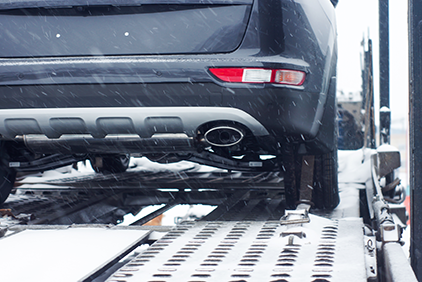
Open vs. Enclosed Transport
The most common and affordable method is open transport, where your vehicle is loaded onto a multi-car carrier, which is the same type of carrier you see on the highway every day. Open transport is safe, reliable, and widely available. For standard passenger vehicles, it’s the go-to choice.
Enclosed transport places your vehicle inside a covered trailer, which provides added protection from weather, road debris, and the elements. If you’re shipping a luxury vehicle, a classic car, or anything with significant sentimental or monetary value, enclosed transport offers an added layer of protection that’s well worth the premium.
Door-to-Door vs. Terminal-to-Terminal
Door-to-door service sends a driver and carrier directly to your current address for pickup and delivers your vehicle as close to your destination as safely accessible. It’s the most convenient option and eliminates the need for you to drop off or pick up your vehicle from a central hub, but it often comes with an additional fee.
Terminal-to-terminal service requires you to bring your car to a designated facility and pick it up from another location near your destination. It can be slightly more affordable, but the added coordination often offsets any savings.
How Long Does It Take?
Transit times vary based on distance and route. Coastal moves, like from New York to Los Angeles, typically take between seven and ten days. Shorter routes may take as few as three days to five days. Your transport provider should give you an estimated delivery window at the time of booking.

Cost Factors
The cost of moving a car out of state depends on several variables: the distance, the size of the vehicle, the type of transport (open vs. enclosed), current fuel prices, and seasonal demand. While the cost may seem significant at first glance, consider what it saves you: thousands of miles on your odometer, multiple days of travel expenses, and the physical toll of a long solo drive.
Making the Right Choice for Your Move
Every relocation is different, and the right decision for moving a car out of state depends on your timeline, your budget, the distance involved, and the value you place on your vehicle. The earlier you make a decision, the more options you have and the better pricing you’re likely to secure. Auto transport slots fill quickly, especially during peak moving season in spring and summer.
Bekins is the moving company with the experience and the network to help you coordinate every element of your move, including getting your vehicle where it needs to be, safely and on schedule. When you’re ready to start planning, our team is here to walk you through every step. Request your free moving estimate below today.