
So you’ve made the decision to ship your car rather than drive it thousands of miles—smart move. Whether you’re relocating for work, sending a vehicle to a college student, or moving a second car after a long distance move, auto transport takes a significant logistical burden off your plate.
But like any major service, the more you understand going in, the smoother the experience. Here’s everything you need to know before shipping a car cross country.
Open vs. Enclosed Transport: Which Is Right for You?
The first decision you’ll face when shipping cars cross country is the vehicle transport type. You’ll need to choose between open and enclosed transport, and it matters more than most people realize.
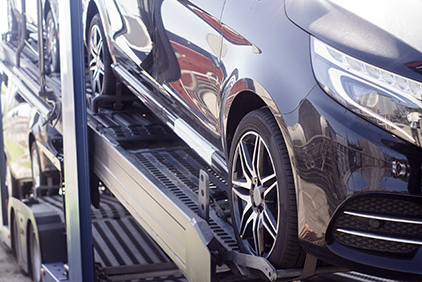
Open transport is the most common and cost-effective method. Your vehicle is loaded onto a multi-car carrier (the same type you’ve seen hauling new vehicles on the highway) alongside several other cars. It’s reliable, widely available, and works perfectly well for everyday vehicles.
The tradeoff? Your car is exposed to weather, road debris, and dust during transit. For most standard vehicles, this is a non-issue, and it makes sense to save money on car shipping cost by going with open auto transport services when moving a car across the country. Open transport is also more cost-effective when shipping multiple cars during a long distance move.
Enclosed transport places your vehicle inside a fully enclosed trailer, where it’s shielded from the elements and road hazards. It’s the preferred choice for luxury vehicles, classic cars, exotics, or any car with sentimental or high monetary value.
Enclosed carriers typically hold fewer vehicles, which means more attention to each one… and yes, a higher price tag. But if you’re shipping a vintage Mustang or a brand-new BMW, the peace of mind is well worth it. When in doubt, ask yourself: What would it cost to repair paint damage or fix a small ding on this vehicle? If that answer makes you wince, go enclosed.
Insurance Coverage for Cross Country Car Shipping
Here’s where people often make assumptions that cost them later. Before shipping your car cross country, get clarityon what coverage actually applies to your vehicle during transit.
Car shipping companies are required by federal law to carry cargo insurance. This means your vehicle has baseline protection while it’s on the carrier. However, coverage limits, deductibles, and what’s excluded vary by car transport service.

Before booking, ask the car transport company for proof of insurance, and clarify:
- What is the coverage limit per vehicle?
- What damage scenarios are excluded?
- What is the claims process if damage occurs?
Additionally, check with your own auto insurance provider. Some personal auto policies extend coverage during transport; others don’t. Knowing what your policy does or doesn’t cover before pickup means no unpleasant surprises at delivery.
How to Prepare Your Car for Cross Country Vehicle Shipping
Preparation is where it’s easy to drop the ball, but it’s one of the most important parts of the car shipping process. A little time spent here protects your vehicle and your interests. Here’s how to ship a car cross country the right way, and what to avoid.
Do’s
A clean car makes it easier to document its pre-shipment condition accurately. Wash the exterior thoroughly so any existing scratches, chips, or dents are clearly visible.
Before your carrier picks up the vehicle, photograph every panel, the roof, the undercarriage if possible, the interior, and all four tires. Take time-stamped photos and store them somewhere accessible. This documentation is your protection if any dispute arises upon delivery.
Remove all personal belongings and loose items from your vehicle before pickup. Unsecured items inside the car can shift during transit, affect inspections, or result in delays during transport.
Your vehicle needs to be in operational condition for standard loading and unloading. Make sure the battery is charged, tires are properly inflated, and there are no significant fluid leaks. Inoperable vehicles can still be shipped but require special equipment and advanced notice.
A full gas tank adds unnecessary weight. A near-empty tank creates risk. The quarter-tank rule is the industry standard for a reason.
If your car passes through toll zones on the carrier route, an active transponder could rack up charges on your account. Remove or disable these before pickup.
Spoilers, antennas, roof racks, and custom mirrors can be vulnerable during transport. If they can be removed or folded in, do it.
Don’ts
Grime, dust, and road film can obscure existing damage. If the driver misses something because the car was too dirty to see it, that gap in documentation can work against you later.
Even if you’re in a hurry, don’t wave off this step. The pickup inspection is your opportunity to establish the condition record. Skipping it or rushing through it leaves you with no paper trail if something goes wrong.
It’s tempting during a cross country trip to treat the car as a bonus moving space. Car shipping services typically prohibit this entirely, and those that allow it cap the weight strictly. Overloaded vehicles can cause vehicle transporter issues and create liability problems you don’t want.
Carrier availability fills up fast, especially on popular routes during peak summer months. Booking 4-8 weeks out for a peak season move, or 2-4 weeks for moves during fall, winter, and spring, gives you better options, better pricing, and more scheduling flexibility.
What Happens on Pickup and Delivery Day?
Pickup and delivery dates tend to be the moments people feel most anxious about when shipping a car cross country, and usually for no reason. The process is simple, the steps are consistent, and when you know what’s coming, the whole vehicle shipping experience feels far less uncertain.
Here’s exactly what happens, from the moment the carrier arrives to the second you’re handed back your keys.
Confirm the pickup window in advance. Car shippers will typically give you a pickup window rather than an exact time. The day before, confirm the window as well as pickup and delivery locations if you’re not doing door-to-door transport, and make sure someone will be present with the vehicle and the keys. If you can’t be there personally, designate a trusted representative, but know that whoever is present will need to sign documentation on your behalf.
Prior to loading, the driver will conduct a walk-around inspection of your car, noting any pre-existing damage, including scratches, dents, chips, cracks, and cosmetic imperfections. Don’t rush this. Walk alongside the driver and make sure every mark you’re aware of gets documented.
The Bill of Lading is the official shipment contract and condition report for your vehicle. It records the vehicle’s condition at pickup, the pickup and destination addresses, the agreed service terms, and both parties’ signatures. Think of it as the paper trail that protects everyone involved. Read it carefully before signing. If you notice any damage that the driver hasn’t marked down, point it out and make sure it’s added before you sign. Once you sign, that document becomes the baseline record of your vehicle’s condition at the time it left your hands.
Once everything is taken care of, hand over the keys and a copy of your documentation. Keep a copy of the signed Bill of Lading for yourself; photograph it if needed. This is your most important document if any issue arises later.
You won’t have direct access to your vehicle during cross country car transport, so set expectations accordingly. A reputable carrier will provide tracking updates or a point of contact you can reach for status checks. Bekins keeps communication clear throughout the process so you’re never left wondering where your vehicle is.
Be present or have a representative ready when your car arrives. Just like pickup, someone needs to be available to receive the vehicle and sign off on delivery. Arrange your schedule so this isn’t rushed.
Do a thorough inspection before signing anything. When the carrier arrives, inspect your vehicle in full daylight if at all possible. Go through the same walk-around process you did at pickup, inspecting every panel, the roof, the bumpers, and the windshield. Compare what you see against the condition documented on your Bill of Lading and the photos you took before shipment. Check the interior, too. Look for any damage that may have occurred to the dashboard, seats, or door panels during loading and unloading.
If everything looks good and matches the condition at pickup, sign the delivery Bill of Lading, and you’re done. This signature confirms the vehicle was received in satisfactory condition.
Timeline: How Long Does Cross Country Car Shipping Take?
Timelines for shipping a car cross country vary based on distance, route popularity, and time of year. Generally speaking:
- Short cross-country routes (1,000–1,500 miles): 3–5 days
- Mid-range routes (1,500–2,500 miles): 5–7 days
- Long-haul coast-to-coast routes: 7–10 days
Weather, road conditions, and carrier scheduling all influence delivery windows. Build buffer time into your plans; don’t book a car shipment pickup the day before you absolutely need the car at the destination.
What Factors Affect the Cost of Shipping a Car Cross Country?
Auto transport pricing isn’t one-size-fits-all. Several variables influence what you’ll pay for professional car shipping services:
- Distance is the most obvious factor. Longer routes cost more, though the per-mile rate often decreases on longer hauls.
- Fuel costs and surcharges can influence auto transport pricing more than most people expect. Carriers calculate routes based on current diesel costs; when fuel prices spike, many pass a portion of that increase along as a fuel surcharge.
- Vehicle size and type matter because larger, heavier vehicles take up more carrier space and add weight. Trucks, SUVs, and oversized vehicles typically cost more to ship than sedans or compact cars.
- Open vs. enclosed transport, as discussed, carries a meaningful price difference; enclosed typically runs 30–60% higher than open.
- Route popularity plays a role, too. Major corridor routes (Los Angeles to New York, for instance) have more carriers and more competition, which can keep prices competitive. Rural or less-traveled routes may cost more due to limited carrier availability.
- Seasonality affects pricing. Summer is peak season for auto transport. If you have flexibility, shipping in late fall or winter can reduce costs.
- Expedited shipping may be available if you’re working with a last-minute timeline, but the convenience typically adds a significant amount to the base price. If your timeline has any flexibility, planning ahead will almost always cost you less than rushing.
- Pickup and delivery flexibility can also shift the price. Door-to-door service is the most convenient option. Terminal-to-terminal (dropping off and picking up at designated lots) is sometimes cheaper but adds logistical steps on your end.
Knowing what drives the price of shipping a car cross country puts you in a better position to make smart tradeoffs, whether that’s adjusting your timeline, choosing the right shipping method for your vehicle, or simply asking the right questions before you book your vehicle shipment.

Experience Matters When Choosing a Carrier to Ship a Car Cross Country
Shipping your car cross country means trusting someone with one of your most valuable possessions. Experience, transparency, and reputation make all the difference between a seamless delivery and a stressful ordeal.
Bekins has been in the moving and car shipping industry for more than 130 years, and that kind of tenure means something. We’ve learned that most customer stress comes down to one thing: not knowing what to expect. We understand the logistics, the planning, and the communication that go into moving something as important as your vehicle across the country with care.
Ready to Get Started?
Get your auto transport estimate from Bekins today and find out how straightforward shipping your car cross country can be.