The Phoenix summer heat is no secret, and if you’re preparing for an interstate relocation, that heat doesn’t stop mattering once your boxes are packed. Moving with heat-sensitive items requires a different level of planning than a typical move, since certain belongings can be affected by high temperatures during packing, staging, loading, and transit.
Before you book a long distance moving company, it helps to know which items need extra attention and how to plan for them from day one.
Bekins Van Lines walks through how to pack heat-sensitive items, what belongs in your own vehicle instead of the truck, and the right questions to ask so nothing is left to chance on moving day.
What Phoenix Heat Means for a Standard Move
Phoenix’s heat is part of the planning equation for any summer move, and it helps to know what a standard moving truck can and can’t handle before moving day.
A standard truck is not climate-controlled transport. A parked truck sitting in direct sunlight can heat up fast, and the hot metal walls of a hot truck can radiate even more heat than the surrounding air outside. Think of it like a sealed metal box left in direct sun; it won’t stay any cooler than its surroundings with sustained exposure to the summer sun on a hot day, and by afternoon, interior temperatures can climb well past what you’d expect.
These conditions put heat-sensitive items at risk. Bubble wrap, insulated boxes, and other quality packing materials do a good job protecting fragile and delicate items from bumps, moisture, and shifting during transport, but they aren’t built to manage temperature.
Some belongings can sit in a hot truck for hours with no issue, while others need a different plan to avoid heat damage. Knowing which is which before moving day makes it much easier to decide what goes on the truck, what travels with you, and what needs a little extra thought along the way.
Know What’s Heat-Sensitive Before You Pack
Not every item in your home is affected by heat and summer conditions the same way. When you’re moving with heat-sensitive items, a few categories tend to come up most often:
- Electronics: Laptops, gaming consoles, televisions, and external hard drives can be sensitive to prolonged heat exposure.
- Artwork and Musical Instruments: Paintings, canvases, and wood or string instruments can react to temperature swings.
- Candles, Wax Products, and Cosmetics: These items soften or melt at moderate temperatures.
- Batteries: Rechargeable batteries in tools, devices, and power banks can be sensitive to extreme temperatures.
- Vinyl Records and Photo Prints: These materials can warp when exposed to extreme temperatures.
- Perishable Food: Refrigerated, frozen, and easily spoiled food items typically aren’t accepted for shipment and should be used up, donated, or transported separately.
- Prescription Medications: Certain medications are heat-sensitive and should never be packed with household goods.
Heat doesn’t affect every item in these categories the same way, so don’t assume the worst for everything you own. Also, you may have other belongings that could be affected by heat during a move; your move specialist can help you flag anything else worth planning for.
What Should Travel With You Instead
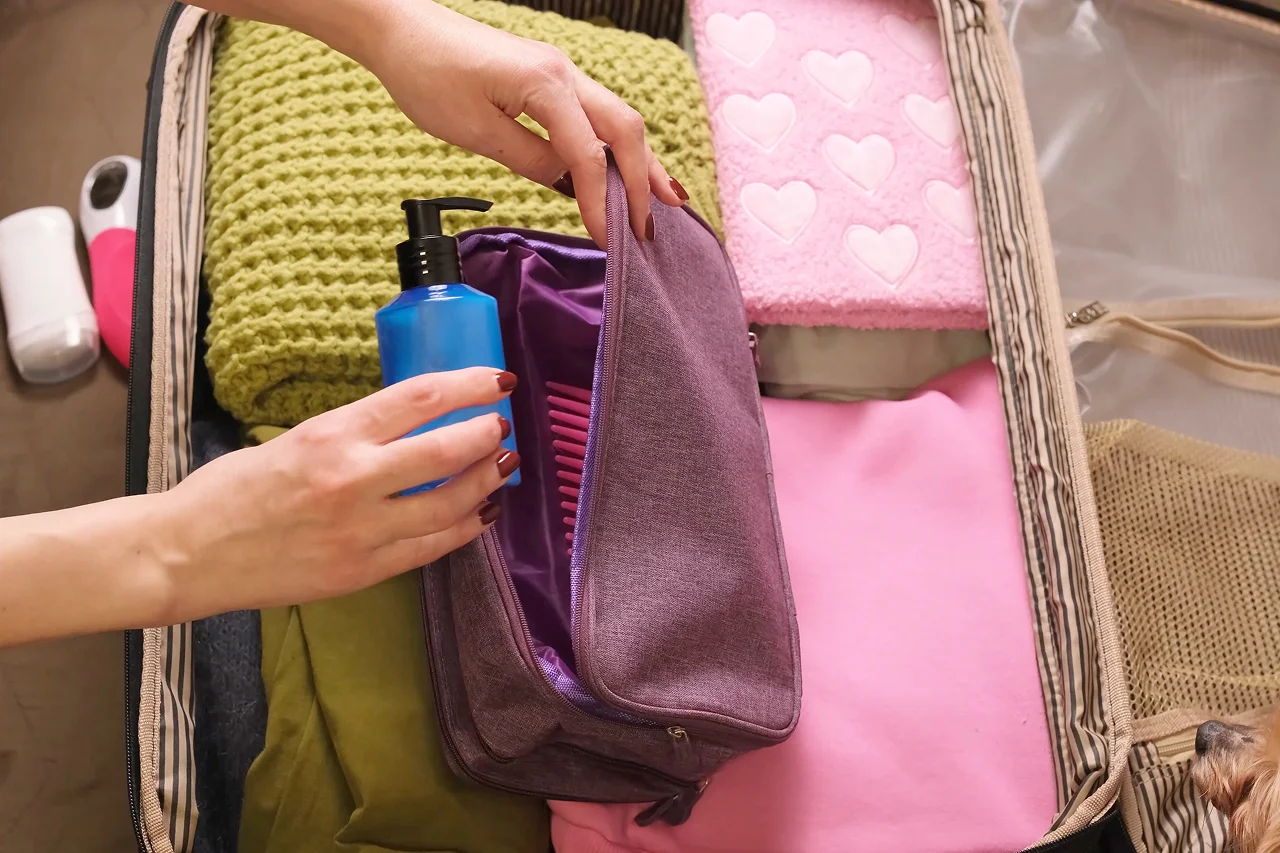
For many households moving with heat-sensitive items, the simplest solution is personal transport. Medications, important documents, and small electronics you use daily are usually best kept with you rather than loaded onto the truck. It comes down to choosing the right method of transport for each item, based on how sensitive it is to time, temperature, and handling.
If you’re driving to your new home, a cooler or insulated bag in your own vehicle can be a practical option for a short list of priority items. If you’re flying, that same list may need to be pared down further or shipped separately with tracking and delivery confirmation.
Other Options for Bigger or Bulkier Items
Of course, personal transport isn’t realistic for everything. If you’ve got a large instrument, an extensive vinyl collection, or a home office full of electronics, packing it in the back seat just isn’t an option. In those cases, it’s worth talking through a few other solutions with your move specialist:
- Explore insulated packing options for large or delicate collections that have to travel with the shipment, since added insulation can help buffer against temperature swings in ways standard boxes don’t.
- Consider a separate, expedited shipment for items where minimizing time in transit matters most, since less time on the truck means less overall heat exposure.
- Ask about climate-controlled storage options for anything that may sit in transit or storage longer than expected.
The best solution depends on the size and type of items, how much heat exposure they can handle, and what your move specialist confirms is available for your specific shipment.
Our Phoenix long-distance movers walk through these details during your in-home or virtual survey and can help you make informed decisions about what to pack, what to carry personally, and what may need special handling before it’s loaded onto the truck.
Plan for Your Destination’s Climate, Too
Phoenix heat isn’t the only temperature swing you need to plan for; where you’re headed matters just as much.
If you’re moving to a much colder climate, heat-sensitive items that made it through a hot Phoenix summer can still be affected by extreme cold during the final leg of transit or while sitting on a truck before delivery. And if you’re headed somewhere more humid, moisture becomes its own consideration for items like musical instruments, vinyl records, and electronics.
The safest approach is to think about the full trip. When you talk through heat-sensitive items with your move specialist, ask how conditions at your new home might affect them too, especially if there’s a gap between pickup and delivery or if your shipment includes any time in storage. Planning for both ends of the move reduces surprises no matter where you’re headed.

Avoiding Last-Minute Loading Mistakes
Picture this: it’s moving day, and boxes are stacking up fast. Somewhere along the way, a box of temperature-sensitive items ends up in the pile headed for the truck instead of the car. It’s an easy mix-up on a day with a lot of moving parts, and it’s also one that’s easy to avoid with a little planning ahead of time.
A clear plan is your best tool when moving with heat-sensitive items. Here’s what helps:
- Set Items Aside Early: Keep heat-sensitive belongings in a clearly labeled area, separate from boxes intended for the truck.
- Label Boxes Clearly: Generic labels like “fragile” don’t communicate heat sensitivity. Be direct on the box itself.
- Walk the Crew Through Your List: Before loading begins, point out anything that should not go on the truck.
- Confirm in Writing: Ask your move specialist to note excluded items in your inventory documentation so everyone is on the same page.
Get everything organized before the crew starts loading so you have one less thing to worry about on moving day.
Frequently Asked Questions
Electronics, artwork, musical instruments, candles, batteries, vinyl records, and medications are the categories that most often need heat-related planning during a Phoenix move. Because Phoenix routinely sees loading-day temperatures that push well past 100°F, these items can be exposed to heat during packing and staging even before the truck leaves your driveway. Reviewing this list with your move specialist during your in-home or virtual survey is the best way to flag anything specific to your household.
Prescription medications, essential documents, and small electronics used daily are generally best kept with you rather than loaded for interstate transport. For Phoenix households leaving on a long drive or a flight, this usually means a small, dedicated bag or cooler that travels separately from the shipment. Your move specialist can help you finalize this list based on your specific belongings and travel plan.
The most reliable method is separating heat-sensitive items into a clearly labeled area before the crew arrives and walking them through it directly. Given how quickly a Phoenix garage or driveway can heat up on move day, having this area set aside early reduces the chance anything gets loaded by mistake. Asking your move specialist to note excluded items in your written inventory adds a second layer of confirmation.
No. Standard moving trucks are not climate-controlled vehicles, and interior temperatures can rise significantly above the outside air temperature during Phoenix loading and staging. If temperature control matters for a specific item, ask your mover directly whether that option is available for your shipment rather than assuming it’s included.
Ask whether any part of your shipment will sit in storage, whether climate-controlled storage is available, how long transit will take, and what packing materials will be used for temperature-sensitive belongings. These questions matter most for Phoenix shipments with extended staging time before pickup, since that’s often when heat exposure is highest. Bringing this list to your survey helps your move specialist build a plan around your specific items.
Belongings moving from a hot climate like Phoenix to a cooler or more humid destination may need a short adjustment period before unpacking, especially electronics, which can develop condensation from a sudden temperature change. Giving sensitive items time to acclimate at your new home helps protect them on the receiving end of the move, not just during transit.
Make Your Heat Plan Before Moving Day
Phoenix heat means a little extra planning is a good idea if you’re moving with heat-sensitive items. Knowing which belongings are heat-sensitive, what travels with you, and what questions to ask about storage and transit puts you in control long before the truck ever shows up.
Bekins Van Lines has been helping families move for more than 130 years, and that experience includes knowing how to plan around a Phoenix summer. Request a free estimate today, and walk through your heat-sensitive items with a move specialist who can help you build the right plan for your move.